A Chat with Konrad Kinard (24.11.25)
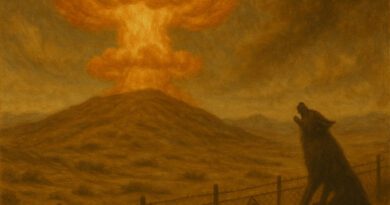
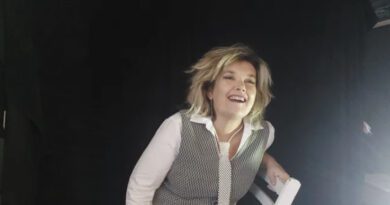
Konrad Kinard, the Texas-born composer, performance artist, and multi-instrumentalist known for his collaborations across avant-garde, Americana, and experimental soundscapes, releases his new album War Is Family through Incinerate Media and The Orchard. We chat with Konrad Kinard about all things music.
OSR: Growing up in Cold War-era Texas clearly shaped your worldview. How did your childhood experiences influence your approach to music and performance?
Konard Kinard: When I was about 6 years old, my father took me to a Happening at the University of North Texas. There, I remember hearing electronic sounds and musique concrete while watching projections of Kandinsky-like shapes and colors. Two of my sisters played folk music, and I started a rock band at 9 years old. Bands that were relatively local included the Chessmen, which included Jimmy Vaughn. The University attracted world-class musicians, primarily jazz, but country stars came from there as well. Later, I studied with the man that had made the Happening at the University so many years before, Merrill Ellis.
OSR: You’re known as a composer, multi-instrumentalist, and performance artist. How do these different disciplines inform one another in your work?
Konrad Kinard: One of the first performances I saw when I arrived in New York was by the Wooster Group. They are an experimental theater group, but to me they made music in text, visuals, sound and live action. It was the first time I saw a distillation of all these areas, and it has remained my standard to aspire to. So, as a music-based person, it is natural to depart from sound, but I don’t see the three skills as different but as part of one musical approach.
OSR: Collaboration seems central to your process. How do you select the musicians and artists you work with, and what does collaboration bring to your creative vision?
Konrad Kinard: I find the musicians by accident. I met Bj Cole at a show at Cargo in London. The instrument seems to inspire and idea and the musicians are always asked to bring their personalities and expertise. I don’t control much but the sketch of an idea.
OSR: You describe War Is Family as “a radio drama without the drama or the radio.” Can you expand on that concept and how it guided the album’s structure?
Konrad Kinard: I see it as a radio play. I loved radio plays as a child because they demanded the listener to participate in visualising the action. I also loved the early FM radio, stereo, for one, and then there was no corporate playlist control. Late nights listening to full albums from Pink Floyd was a luxury as the DJ (probably high) introduced the record and didn’t say a word until it was over. I wanted to go for the same feeling of a terrain traversed over an album from the FM radio when it was new.
OSR: The album blends spoken word, sound collage, and traditional instrumentation. How did you decide on this hybrid approach, and what does it allow you to communicate that conventional song formats might not?
Konrad Kinard: It is about creating a theater for the mind. The text was written all at once, but the songs range from 1983 to 2020, though updated or reimagined. It really is not that planned, but after the outline was set and the tracks were recorded, it was a matter of just editing them into some sort of flow. Elements like sound collage tend to sound like music to me, but can support a lyric or an environmental location.
OSR: Certain tracks, like ‘Born A Texan’ and ‘Better Red Than Dead’, evoke vivid historical anxiety. How did you balance personal memoir with broader cultural commentary?
Konrad Kinard: Sharing personal experience without moralising. It is an account of what happened around me. ‘Better Red Than Dead’ is the pep rally from hell. Everyone cheering for their side while the world burns. I think if it makes a broader cultural commentary, it is because there are universal experiences we all can relate to in these tracks. I just know what they mean to me, and I feel the commentary is best found in the ears of the listener.
OSR: What was the most challenging part of producing and recording this album, and did any unexpected moments during the process shape the final work?
Konrad Kinard: I have a hard time making myself finish things. Probably the hardest was letting go of control in the production process and letting others make decisions that took the idea of a track away from what was originally in my imagination. Though I do ask for input, it is hard, at times, to sit with what comes back. ‘Sun Rises’ started as a Japanese koto idea for guitar, cello, pedal steel and voice. To be soothing and soft. By the end, it bloomed into a song with the addition of harmonium and four bass lines, screechy noise and distortion. Thank you, Fred and the band.
OSR: Your work often blurs the line between performance art and music. How do you view the relationship between storytelling, theatricality, and sound in your practice?
Konrad Kinard: This might be a repeat of an earlier answer, so forgive me. I Story Telling and @acting out events or situations is ancient. The human voice is visceral in spoken and sung form. We live in a sea of aural /vibrational sensation. Probably remembered from the womb. These elements are equal parts of what I perceive as Music with a capital M.
OSR: Looking back across your career, from New York to London to Berlin, how has your artistic perspective evolved, and what drives your continued experimentation?
Konrad Kinard: New York made me reject my presuppositions of music and exposed me to so much variety of art. There, I was exclusively trying to be, exclusively, a real experimentalist. I left to Berlin and was isolated and started writing (shock and horror) melodies and the like. I hid them. London seemed to allow me to start to bring the experimental together with the drippy melodies, though I was informed after a show that, though my music was good, the English liked “happy songs” and tasty beats. Can’t please everyone.
OSR: If you could distill the emotional or conceptual core of War Is Family into a single idea or feeling, what would it be?
Konrad Kinard: Sadness, joy, trauma, hope and love.
Many thanks to Konrad Kinard for speaking with us. Find out more about Konrad Kinard on his Facebook, Instagram, and, Spotify.