A Chat with Sonna (26.09.25)
Known for her soulful voice, exceptional melodies, and poetic lyrics, singer-songwriter Sonna has a sound to melt your heart and keep you listening for ages to come. We speak with Sonna about her new single, ‘Lost & Found’, collaborations, her recovery from Superior Semicircular Canal Dehiscence, and much more.
OSR: ‘Lost & Found’ is such a powerful title. What does it personally represent for you at this stage in your journey?
Sonna: It’s not just the title, it’s where I’ve been. I lost my career, my health, my identity and had to claw my way back through silence, sound, and pain. ‘Lost & Found’ is the moment I realised I didn’t need to find the old me, I needed to become someone new.
OSR: You’ve described the single as a story of “losing everything and rediscovering your strength”. Can you share a moment during your recovery where music felt possible again?
Sonna: After months of ear therapy, white noise, affirmations, and neuroplasticity training, my whole world flipped. I changed everything about how I lived, thought, and listened. Still, nothing sounded right. Then one day, I was on a retreat with my mum. She came into the room, scared to ask me if I wanted breakfast because we both knew hearing her could hurt me. But that morning, she said the words, and I heard her. No pain, no robotic distortion, just her voice. Clear, soft, normal. I cried because for the first time in forever, the world sounded human again.
OSR: How did working with Livingstone Brown on this track shape the sound and emotional depth of the song?
Sonna: Livingstone was the first producer who helped me get signed at 16. He’s seen every version of me, the highs, the lows, the near silence. So, writing ‘Lost & Found’ with him wasn’t just music, it was memory, grief, healing, all wrapped into one. He didn’t just produce the song with me. He understood it from a cellular level.
OSR: You’ve collaborated with icons like Ne-Yo and Eric Benét, and even performed for Disney. How does ‘Lost & Found’ compare to those milestones in terms of significance?
Sonna: It showed me how quickly everything can change. One moment you’re signed to Motown, working with legends like Ne-Yo, doing the theme for Disney’s Cinderella and the next, you’re being told you might need brain surgery just to hear again. Those moments taught me how big the dream can get. What followed taught me how deep you have to dig within yourself when it all goes quiet. So now, every note I sing comes from both worlds: the spotlight and the beauty within the silence.
OSR: Recovering from Superior Semicircular Canal Dehiscence sounds incredibly challenging. What role did resilience, both physical and emotional, play in helping you return to music?
Sonna: Resilience became everything because healing wasn’t just physical. I had to retrain my brain, rewire my thoughts, rebuild my day-to-day life from the ground up. I had to face silence, noise, fear and fight through them daily. There were days I couldn’t even hear my own mum without pain. So yeah, resilience wasn’t a mindset; it was a muscle I had to grow.
OSR: Were there particular artists, books, or personal practices that kept you grounded and inspired during your recovery?
Sonna: People like Dr Joe Dispenza and Abraham Hicks helped me understand how powerful the mind really is, how your thoughts can rewire your body. I was also surrounded by friends like Sukh, Kirti from the (art of living), and Pableen all holistic health practitioners who helped me navigate the nervous system, sound therapy, and healing from the inside out. And then seeing someone like Jamie Foxx go through a stroke, disappear from the spotlight, and then come back with that same brilliance? That reminded me that healing doesn’t mean fading, it means finding your power again and bringing it with you.
OSR: Your vocals have always carried a soulful weight. After re-learning how to sing post-surgery, do you feel your voice has changed in tone or emotion?
Sonna: I didn’t actually go through with the brain surgery; I went through the healing process holistically instead. What changed wasn’t so much the tone of my voice, but the way I approached singing. Before all this, I wanted to throw everything at a song. Every riff, run, trill, you name it. But after having to sing with control and care, I’ve become way more intentional. Now, it’s less about showing what I can do, less inflection, more connection.
OSR: As a proud voice for the South Asian diaspora, how does your heritage influence the stories you tell through music?
Sonna: Being South Asian and stepping into spaces where people don’t usually expect to see us, especially in genres like D&B or R&B, has always pushed me to go deeper, not louder. I don’t carry my culture like a costume. I carry it like memory, resilience. There’s a long history in our community of surviving in silence. My music also exists to break that, to show that pain and healing can also have a sound.
OSR: Beyond the single, what can fans look forward to in this next chapter? Is there an EP, album, or tour on the horizon?
Sonna: Yes, there’s an EP on the way, and a tour is definitely on the bucket list. Grateful for all the amazing fans I’ve connected with on social media. For me, it’s never been about the numbers or the follows, it’s about connection. I want to be in rooms with people, hear their stories, share mine, and build something real together. That’s what fuels the music. That’s what makes performing feel like purpose.
OSR: For listeners who may be going through their own ‘lost and found’ moment, what message or feeling do you hope they take away from this song?
Sonna: I wrote this for anyone who feels like they’re disappearing. This isn’t just a song, it’s a map back to yourself.
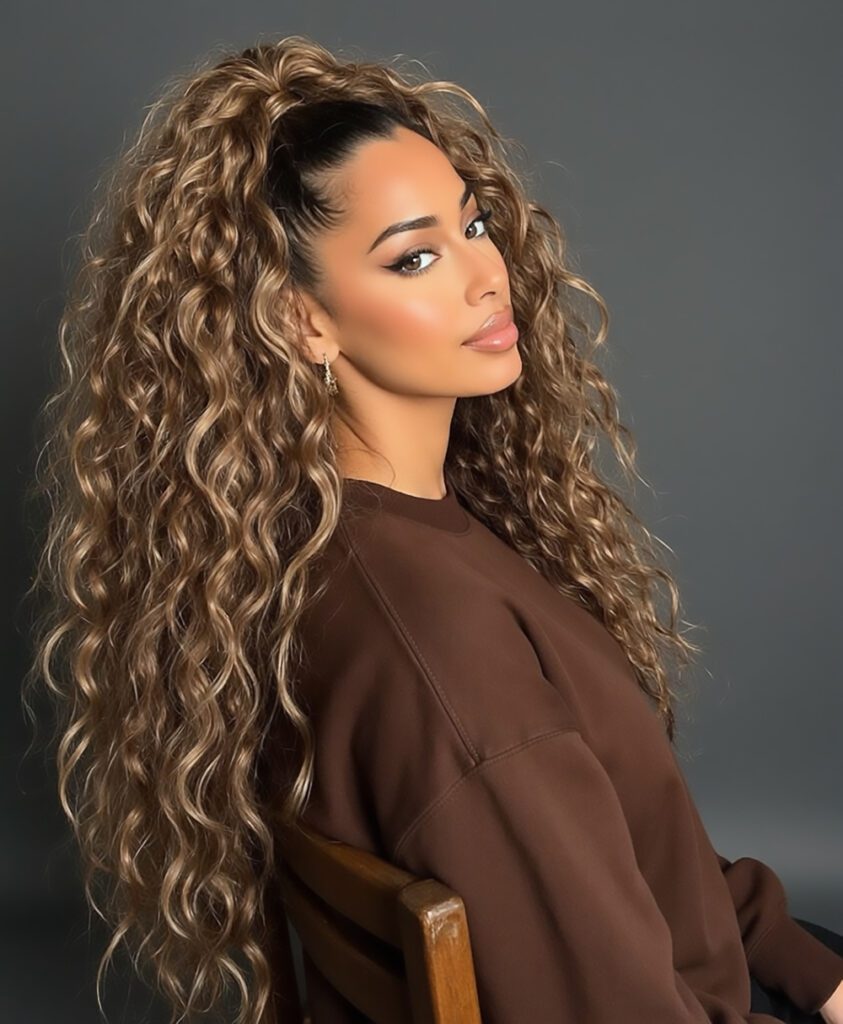
Many thanks to Sonna for speaking with us. Find out more about Sonna on her official website, Facebook, X (formerly Twitter), Instagram, TikTok, YouTube and Spotify.